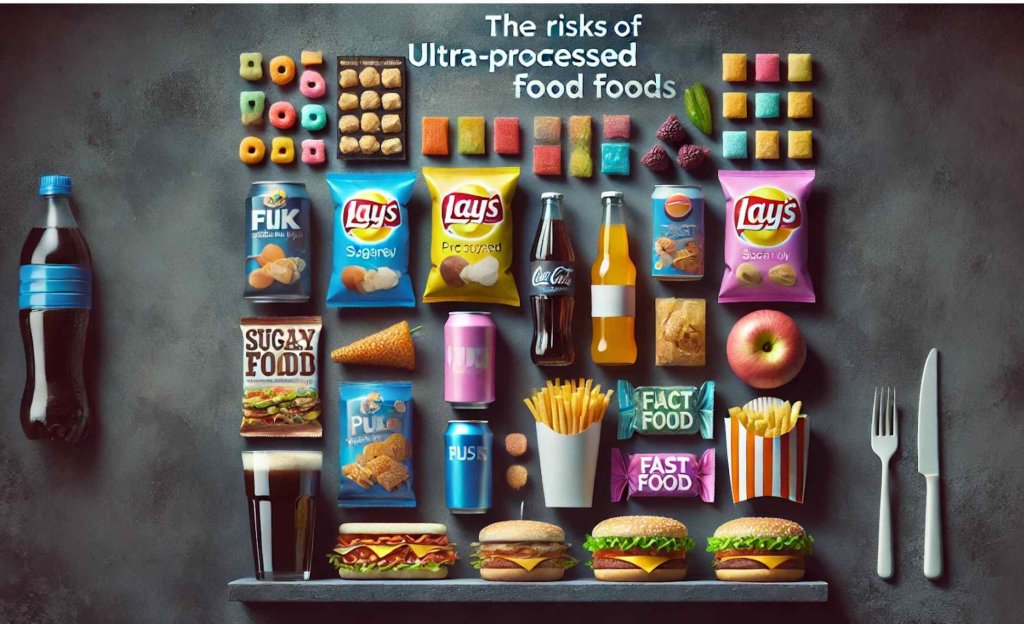
In the bustling world of modern food innovation, ultra-processed foods (UPFs) dominate supermarket shelves and convenience store aisles. From protein bars to meal-replacement shakes and artificially flavored snacks, these products promise ease, efficiency, and often, affordability. But what lies behind their sleek packaging and clean branding? Are we engineering nutrition—or simply engineering the illusion of it?
UPFs: The Efficiency Trap
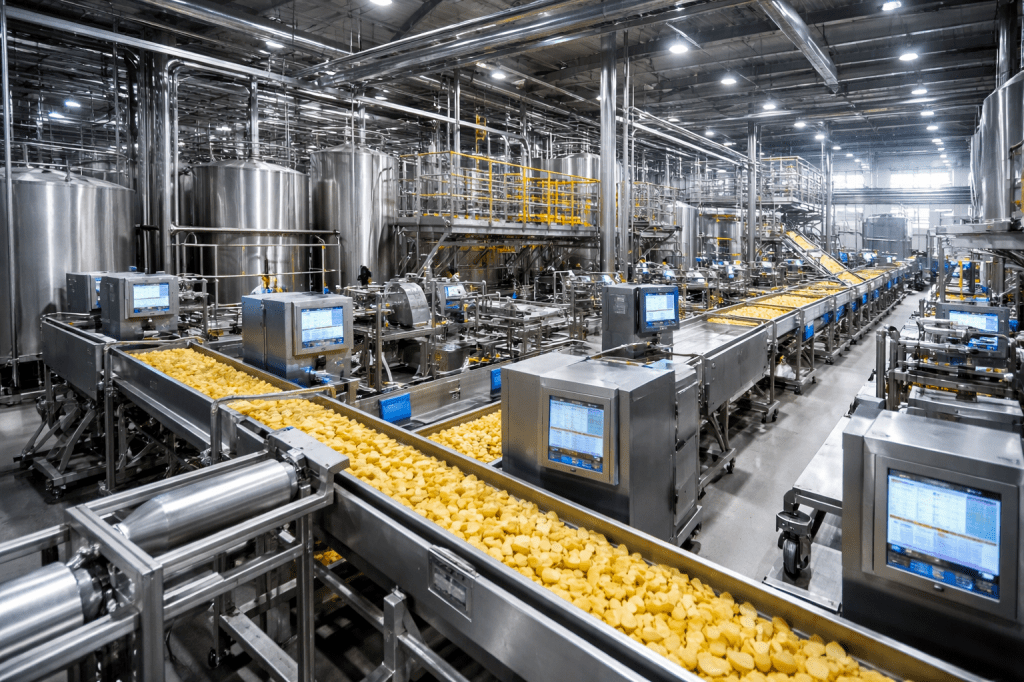
Ultra-processed foods are defined not just by their ingredients, but by the nature and intensity of the industrial processes involved. These include extrusion, molding, hydrogenation, artificial flavoring, and the addition of preservatives and emulsifiers. While these processes aim to enhance shelf life, reduce costs, and standardize quality, they also often strip foods of their natural complexity—replacing it with hyper-palatable, nutrient-light formulas.
On paper, UPFs can look healthy. They may be fortified with vitamins, boast reduced sugar or fat claims, and meet regulatory nutrient profiles. Yet the growing body of scientific literature links frequent UPF consumption with higher risks of obesity, metabolic disorders, cardiovascular disease, and even depression. How can this be, when the label appears clean?
Nutrition Is More Than the Sum of Nutrients
The answer lies in what UPFs are not: they are rarely whole, rarely fermented, and almost never derived from minimally treated raw materials. They lack the “matrix effect” of real food—an emerging concept in nutrition that suggests the structure and interactions within whole foods play a critical role in how we digest, absorb, and benefit from nutrients. In UPFs, this matrix is dismantled and replaced by a simplified, linear design. Nutrient content may look good on paper, but the physiological response is often markedly different.
A Question of Health—or a Question of Industry?
It’s not just a health concern—it’s a structural issue in how the food industry functions. UPFs are the inevitable product of a system that prioritizes scalability, logistical efficiency, and ultra-long shelf life. Small and medium-sized food innovators face a dilemma: embrace these same tools to compete on cost and scale, or push for genuinely novel processing technologies that preserve food’s integrity while maintaining safety and marketability.
Technologies like High Pressure Processing (HPP), Pulsed Electric Fields (PEF), fermentation and extraction, and mild pasteurization show promise. They can extend shelf life without destroying the food matrix or relying on synthetic additives. But adoption remains limited, in part because the infrastructure for such “clean tech” solutions is still in its infancy—and margins remain tight.
Time to Shift the Narrative
Consumers are slowly waking up to the problem. Terms like “clean label,” “real food,” and “minimally processed” are gaining traction. Yet regulatory definitions lag behind, and industry lobby groups often defend UPFs by pointing to individual ingredients rather than the bigger picture of formulation and processing.
The future of food innovation lies not in perfecting the UPF model, but in rethinking it entirely. This means investing in advanced but gentle processing, sourcing ingredients with inherent nutritional value, and being transparent about trade-offs. Most importantly, it means redefining what we consider progress: not more additives or cheaper calories, but food that sustains both body and culture.


 Fresh Food Novelties
Leave a comment