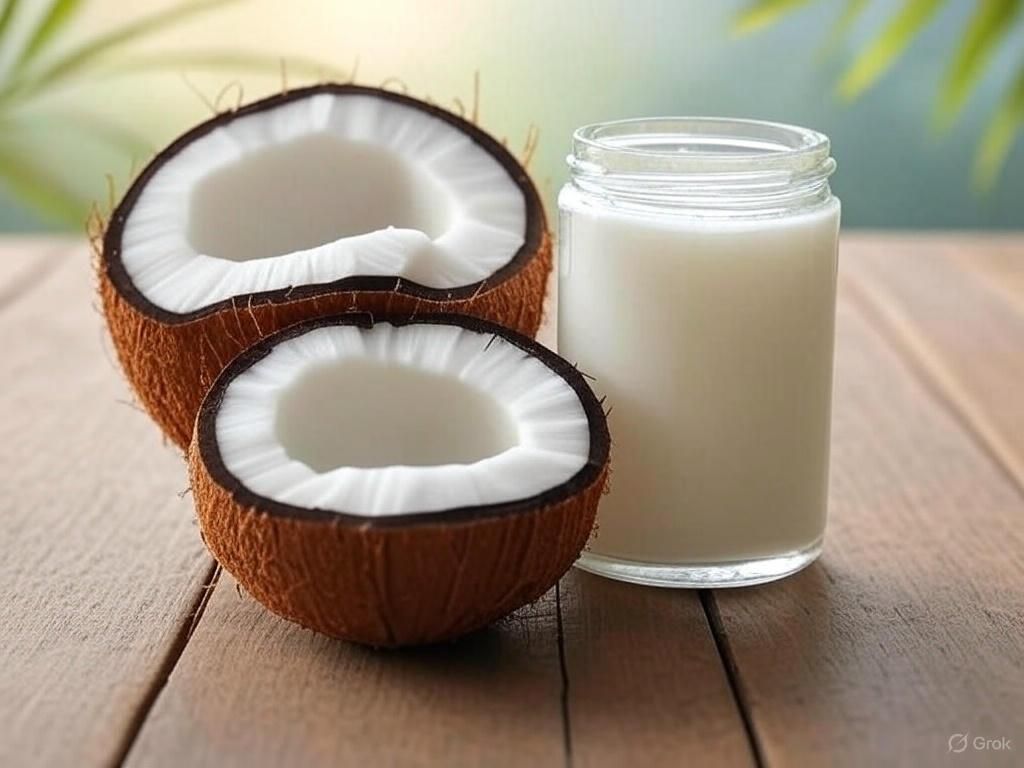
Over the past decade, the plant-based revolution has transformed supermarket shelves. From oat milks to meatless burgers, consumers have embraced alternatives that promise taste, texture, and environmental responsibility. But behind the scenes, one key ingredient has quietly become the industry’s go-to fat: coconut oil. Now, TOP B.V. is sounding the alarm — not just about the health concerns, but about the broader implications of relying so heavily on this tropical fat.
The Coconut Conundrum
Coconut oil (often inaccurately called “oil” despite its solid-at-room-temperature nature) has taken center stage in plant-based formulations. Originally, palm oil filled this role, offering similar functionality — firmness, mouthfeel, and melting behavior — but growing environmental concerns led to a soft ban. Enter coconut oil as the “cleaner” replacement. Today, you’ll find it in everything from vegan burgers and sliced “cheddar” to dairy-free spreads and desserts.
But as the experts at TOP B.V. argue, this default choice brings three major problems:
- Nutritional Profile – Coconut oil is rich in saturated fatty acids, which negatively impact Nutri-Score and raise red flags in health assessments.
- Sustainability Risks – With demand soaring and few alternatives in play, sourcing coconut oil sustainably is becoming increasingly difficult.
- Ethical Questions – Although still debated, the use of monkey labor in harvesting coconuts has prompted concern among strict vegan consumers and animal rights advocates.
TOP’s Alternative Approach: Local, Unsaturated, and Smart
At TOP B.V., the protein transition has long meant more than just cutting out animal ingredients. It’s about creating better food — in every way. That’s why TOP has deliberately avoided coconut and palm fats in their development of meat and dairy analogues. Instead, their R&D teams have perfected the use of unsaturated, locally-sourced oils, including:
- Sunflower oil
- Rapeseed (canola) oil
- Olive oil
These oils not only improve health scores but also support local agriculture and offer better transparency in the supply chain.
Most impressively, TOP’s food engineers have cracked the code to texture and taste — without relying on coconut oil, modified starches, or filler ingredients. The result? Plant-based cheeses with authentic firmness and meltability, spreadable creams with smooth consistency, burgers with a juicy bite, and sausages with that satisfying snap. All without compromising on clean label standards.
Want to Future-Proof Your Plant-Based Line?
Whether you’re launching a new product or reformulating an old favorite, TOP B.V. invites food brands, manufacturers, and entrepreneurs to explore what’s possible. Their product development team specializes in transforming ideas into market-ready innovations — healthier, more sustainable, and ethically sound.
📩 Contact them at info@top-bv.net to discover how your portfolio can move beyond the coconut trap.
Because in the race for better plant-based food, choosing the right fats isn’t just a technical detail — it’s a strategic decision. And TOP B.V. is ready to help you make it.


 Fresh Food Novelties
Leave a comment