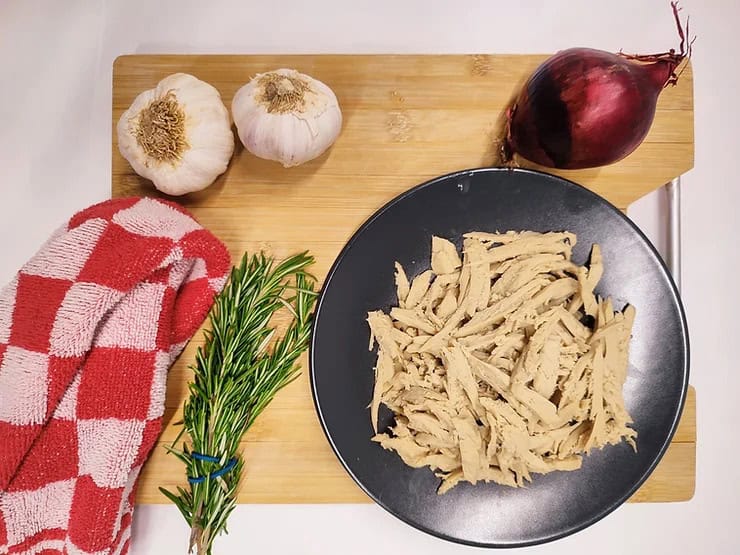
In the heart of Maastricht, Dutch Structuring Technologies (DST) is pioneering a transformative approach to plant-based meat and fish substitutes. With their patented Continuous High Shear (CHS) Technology, DST has redefined the production of textured proteins, offering an innovative alternative to conventional methods like High Moisture Extrusion (HME). This cutting-edge process promises unparalleled scalability, flexibility, and cost-effectiveness, bringing plant-based proteins closer to achieving price parity with animal-based meats.
Breaking Boundaries in Textured Protein Production
DST’s CHS technology represents a significant leap forward in the production of plant-based alternatives. Unlike traditional extrusion processes, CHS enables precise control over the texturization process, allowing for the creation of meat-like fibers with varying lengths and strengths. This versatility enables food manufacturers to replicate textures ranging from tender chicken to flaky fish or juicy beef, meeting diverse consumer preferences.
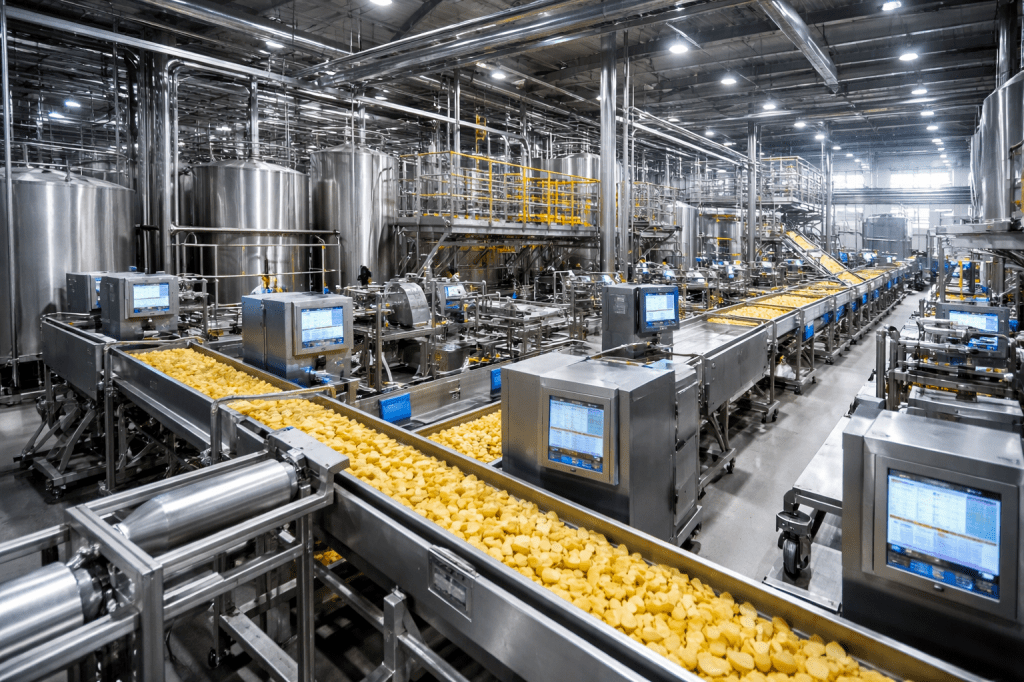
The innovative process integrates multiple ingredients, including plant proteins, oils, fats, and flavorings, directly into the texturization stage. This not only enhances the taste and nutritional profile of the final product but also reduces the complexity of downstream processing. With CHS, DST can produce high-quality textured proteins at a remarkable rate of 1,000 kilograms per hour, a significant upgrade from earlier prototypes.
A Vision for Sustainable Food Production
DST’s mission goes beyond innovation; it is deeply rooted in sustainability. By enabling the large-scale production of plant-based proteins, the company contributes to reducing reliance on animal agriculture, lowering greenhouse gas emissions, and promoting more sustainable food systems. Their products offer a viable alternative for consumers seeking delicious, eco-friendly options without compromising on texture or taste.
Supporting Regional Innovation
DST’s groundbreaking work has not gone unnoticed. The company recently received a €400,000 subsidy from the European OPZuid program, which supports innovative projects in Southern Netherlands. The funding, supplemented by national contributions, will be used to scale up production capabilities and develop new flavors and textures for their plant-based products.
“The prototype could produce 20 kilograms per hour, and our current machine handles 200 kilograms,” says Julian Lekner, DST’s CEO. “The new machine we’re developing will increase production to an impressive 1,000 kilograms per hour.” This expansion not only boosts DST’s capacity but also strengthens Limburg’s position as a hub for food innovation.
Retaining Talent and Expertise in Limburg
Ad Roest, a provincial delegate, underscores the importance of companies like DST in retaining highly skilled professionals in the region. “Here, the food of the future is being made,” he says. “Innovative companies like DST are vital for preserving the manufacturing expertise and knowledge needed to keep South Netherlands competitive on the global stage.”
Towards a Plant-Based Future
DST is not just developing products—they are shaping the future of food. By combining cutting-edge technology, sustainability, and culinary innovation, Dutch Structuring Technologies is making plant-based proteins more accessible and appealing to consumers worldwide. Their long-fibered, meat-like textures are set to revolutionize menus and supermarkets, making plant-based options the natural choice for a healthier and more sustainable planet.

 Fresh Food Novelties
Leave a comment